The Kiek in de Kök Fortification Museum is a museum complex over 500 metres long.
It comprises four medieval towers: Kiek in de Kök, the Maiden Tower, the Marstal Tower and the Short Leg Gate Tower. The Fortification Museum also includes the underground BASTION Towers of the earthworks, built at the end of the 17th century, and the Carved Stone Museum housed in them.
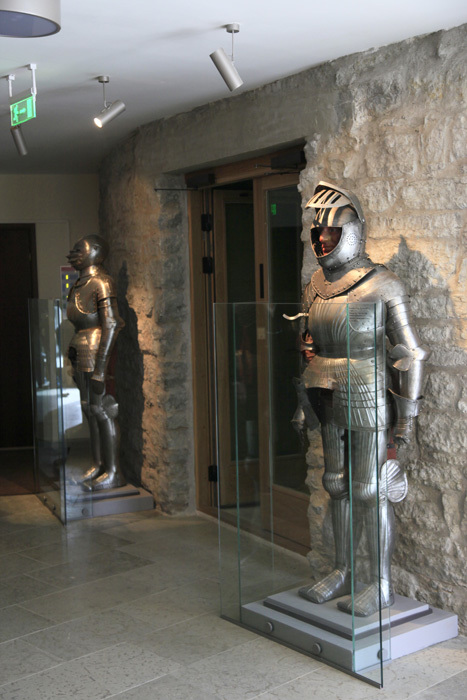
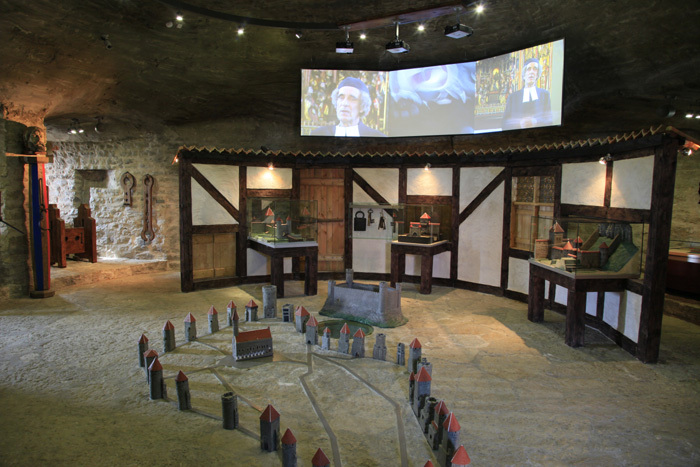
The Fortress Museum presents the city’s historical fortifications, the late 18th-century houses of the citizens built in the towers and along the wall, the artists who lived in the tower, and the famous café built in the 1980s in the Maiden Tower. Tallinn’s longest gallery and towers offer sweeping views of the Old Town.
KIEK IN DE KÖK
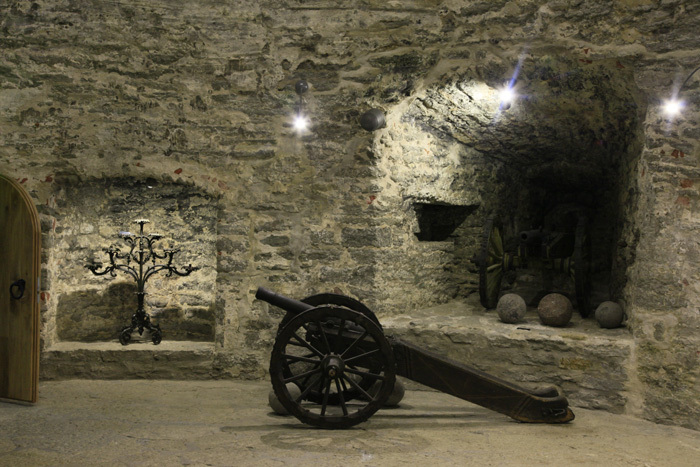
The Kiek in de Kök exhibition provides an overview of Tallinn’s defensive history and fortifications. As Tallinn’s first artillery tower, it was completed in its original form in 1483. The name of the tower as it is known today was first mentioned in 1577 in a description of the second siege of Tallinn. Kiek in de Kök is also the tallest defence tower in the city from the late 17th century, when a massive birch roof was added to the tower.
MAIDEN TOWER
The Maiden Tower is Tallinn’s only rectangular tower, the medieval name for the Tower of Megede, and was probably built in the mid-14th century, although it was first mentioned in 1373.The permanent exhibition tells the story of the time when the tower was converted into a residential building: it also housed artists’ studios. The tower was restored in 1980 as a defensive fortification and a cafeteria was built here. The tower was restored in 1980 and the cafeteria became a restaurant. The tower also hosts temporary exhibitions. An exhibition in the vaulted cellar presents the legend of the Danish national flag Dannebrog in Estonian art and the Danish symbols in Estonian heraldry.
BASTION WALKS
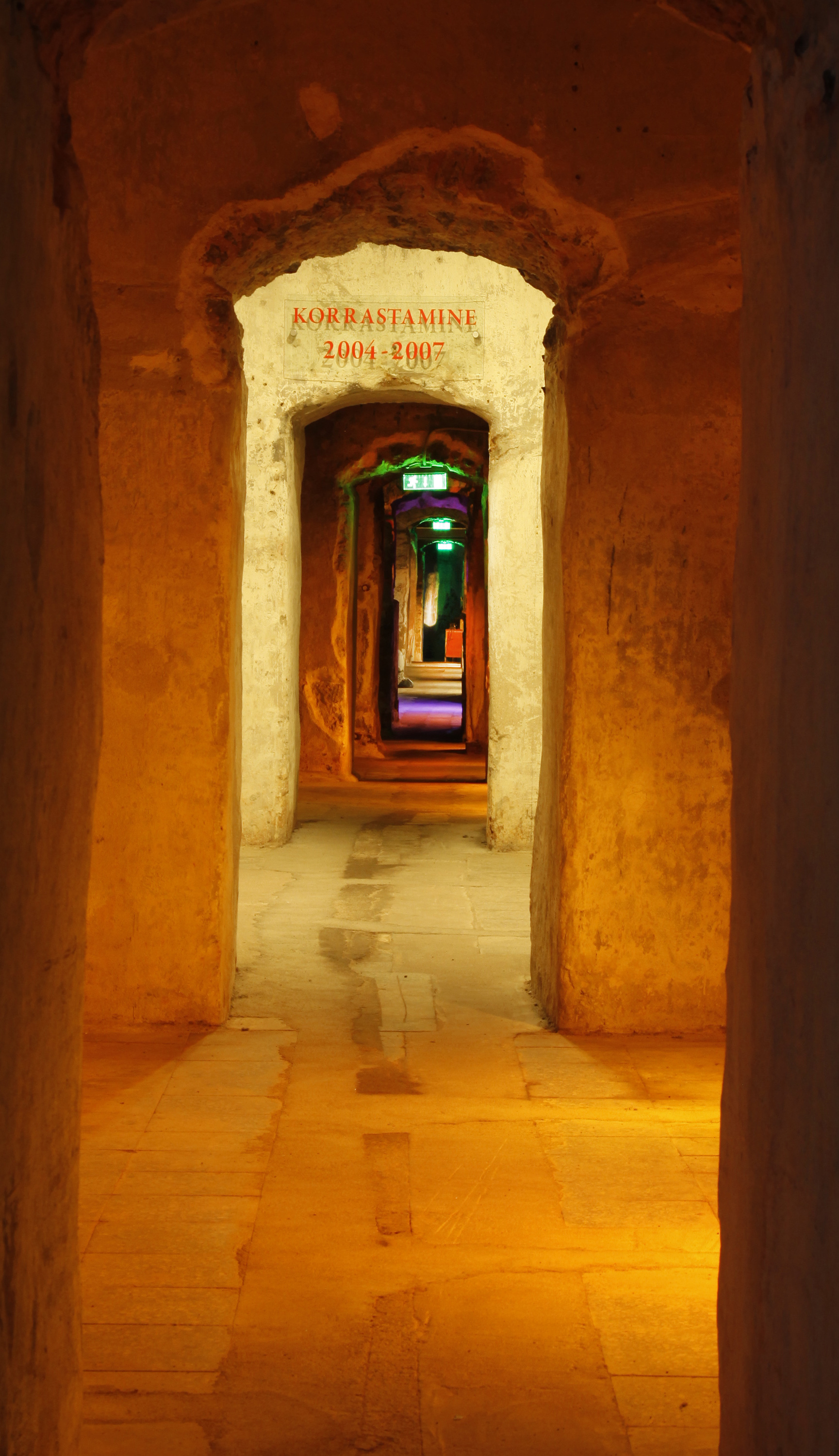
The bastion galleries were built in the late 17th and early 18th centuries. An exhibition in the bastion tunnels tells the story of the fortifications and the activities that took place in the tunnels, including the people who took refuge there at different times.
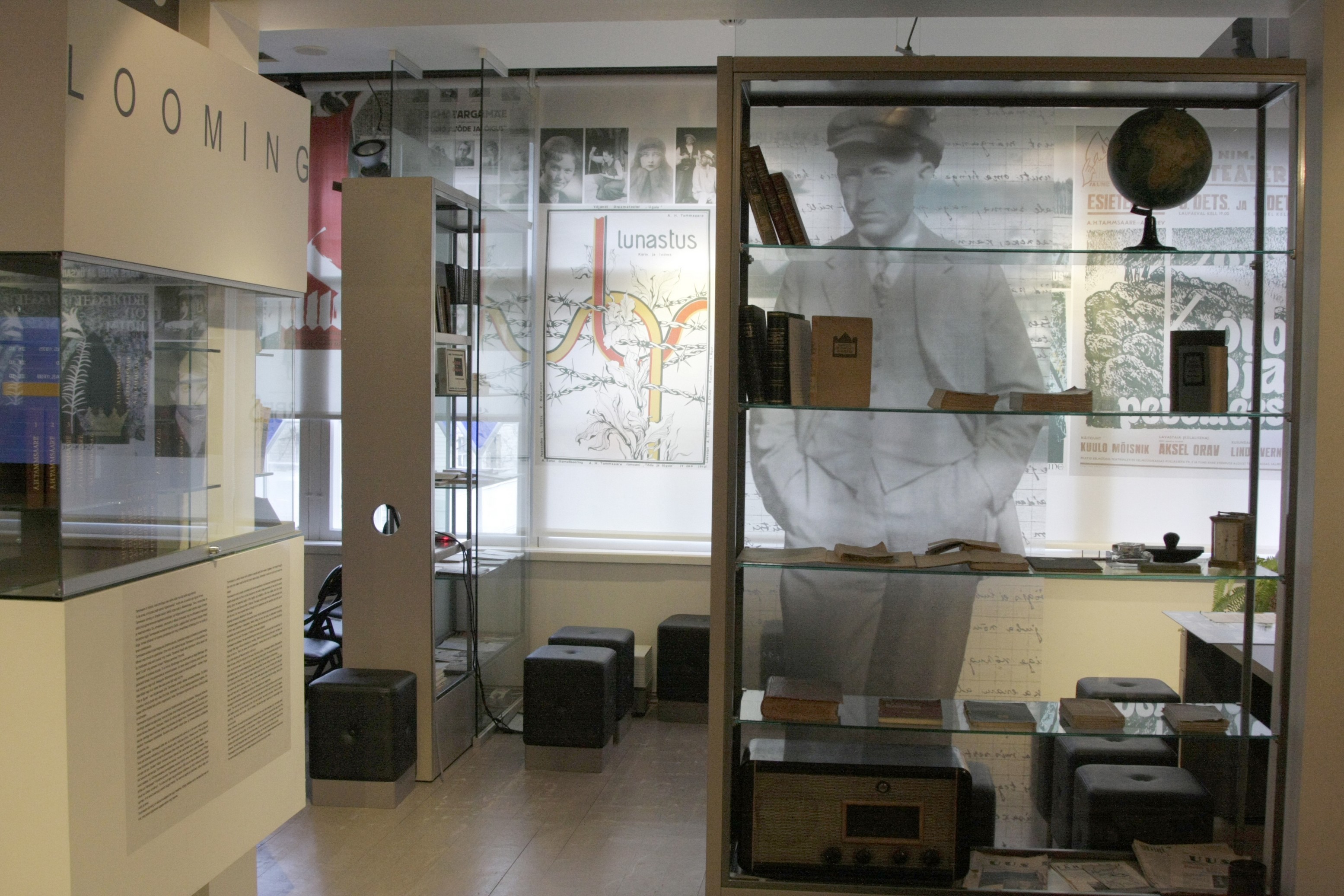
Anton Hansen Tammsaare Museum is situated in a summer-cottage-type house in Kadriorg, formerly a suburb. The Estonian literary classic Anton Hansen Tammsaare (1878-1940) lived in this apartment in 1932-1940 and died here. His widow Käthe Hansen wished t...
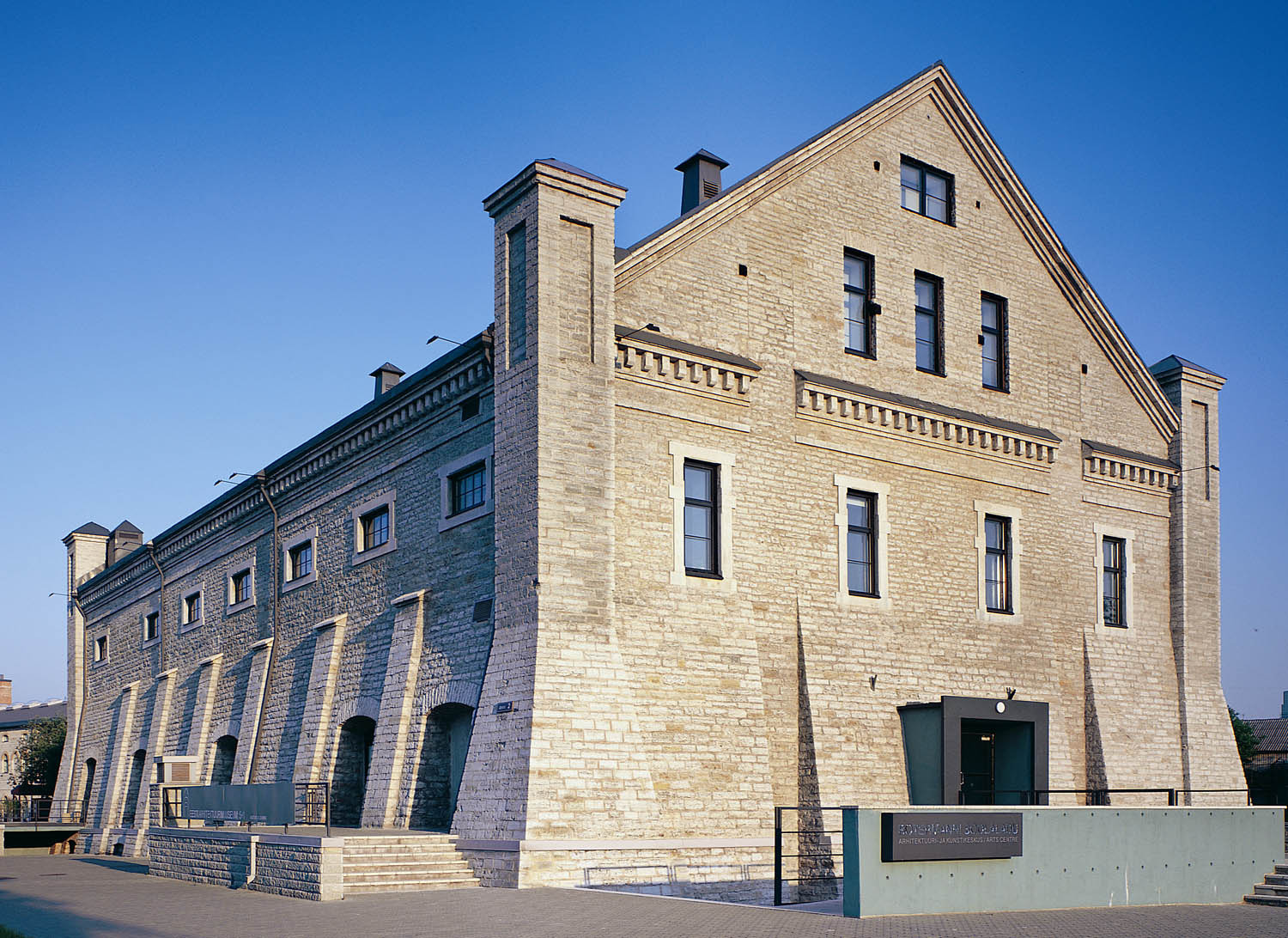
The former salt storage, where the Museum of Estonian Architecture is located today, is a grand limestone structure in Tallinn’s Rotermanni Quarter. This is the place for lovers of art and architecture. Here you’ll have the opportunity to get acquainted...
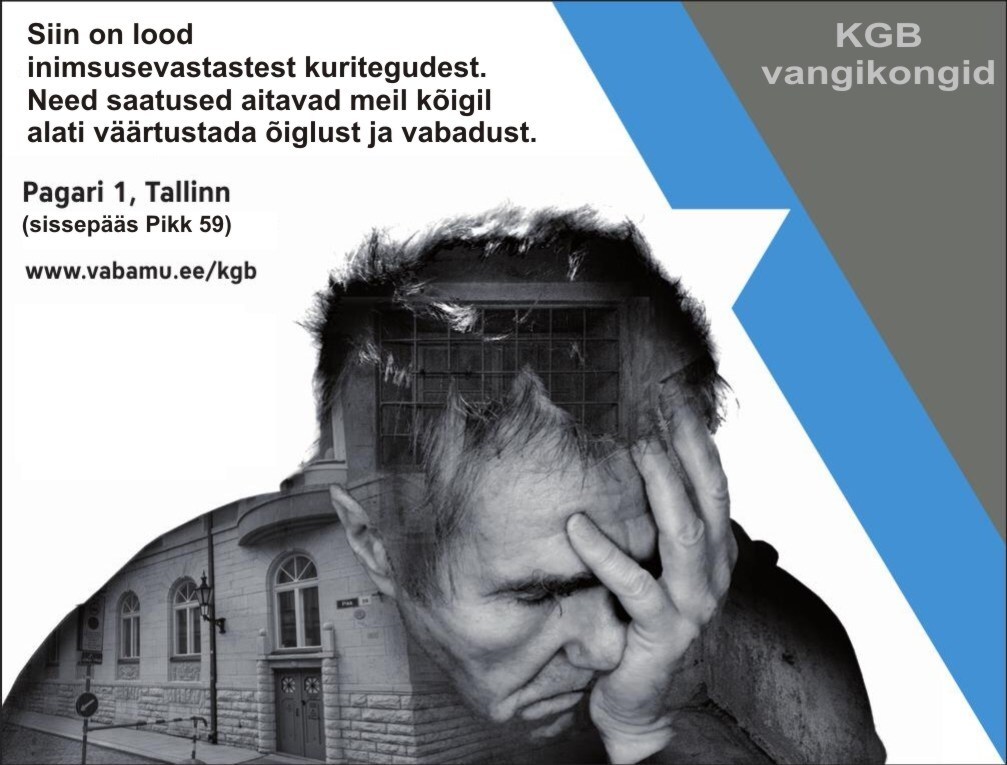
This is the home for personal narratives about crimes against humanity. Stories like these help us better appreciate justice and freedom.
Pagari 1 is a house with a colourful past. In March 1918, during a time when the newly dec...


)


',25,25))
',25,25))
',25,25))
)
)
)
)

)

)
)

